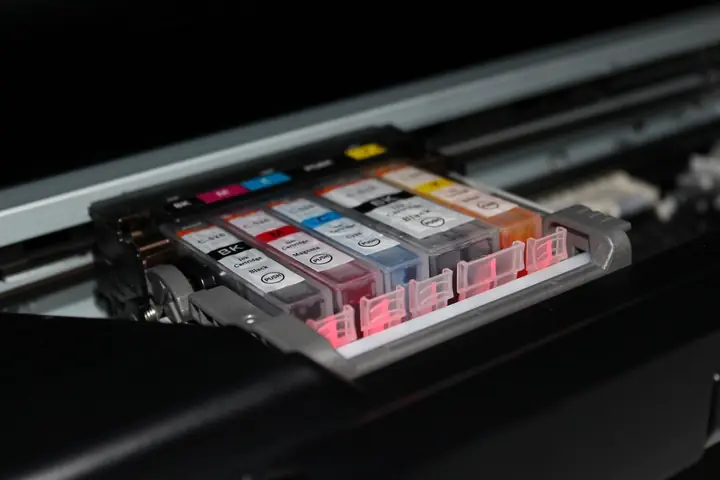
How Inkjet and Laser Printers Work
A plain-language look inside inkjet and laser printers: how each one puts an image on paper, what CMYK means and why it matters.
- 3 min read
- 9 steps
- Last reviewed
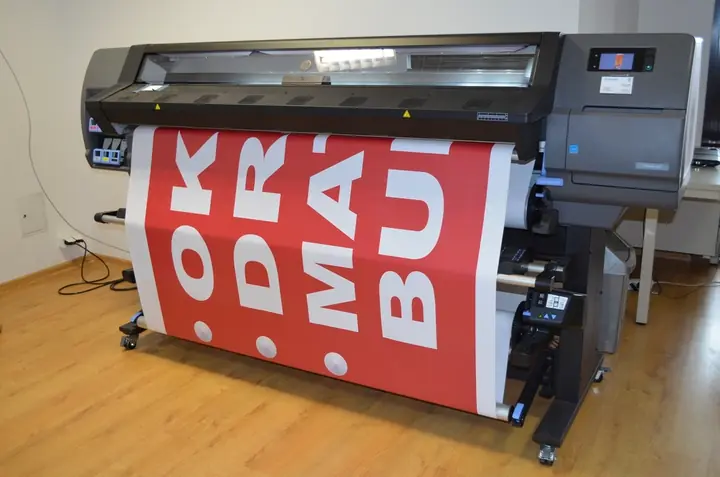
Knowing roughly what happens inside your printer makes its behaviour much easier to understand: why inkjets can dry out, why laser pages come out warm, and why a single empty colour can stop some printers working.
This guide explains both technologies in plain language. Details differ between manufacturers and models, so treat it as a general overview.
Who this guide is for
- You are choosing between an inkjet and a laser printer and want to understand the difference.
- You want to know why your printer needs cleaning cycles, drums or particular supplies.
- You are curious about what CMYK means on cartridges and in print settings.
The key ideas in one place
- 01Inkjet: liquid ink, tiny droplets
- A printhead fires microscopic droplets of ink onto the paper as it moves across the page.
- 02Laser: powder, static and heat
- A laser draws the page as static charge on a drum, toner powder sticks to it, and heat fuses the toner to the paper.
- 03CMYK: four colours make the rest
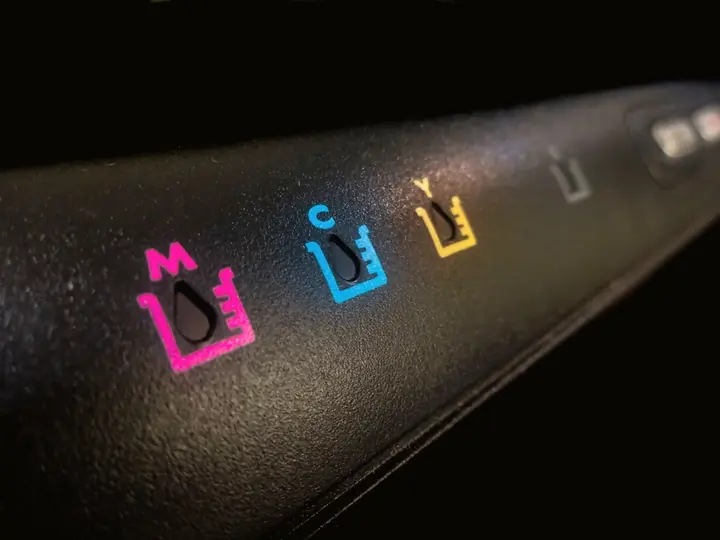
- Cyan, magenta, yellow and black are combined in tiny dots to reproduce a wide range of colours.
1. Inside an inkjet printer
The printhead
The printhead has rows of very small nozzles. Depending on the manufacturer, droplets are pushed out either by tiny heating elements that create a vapour bubble (thermal inkjet) or by small crystals that flex when electricity is applied (piezoelectric inkjet).
Building the image line by line
On most home inkjets the printhead moves side to side on a carriage while the paper advances in small steps underneath, so the page is built up in bands.
Why inkjets need maintenance
Liquid ink can dry in the nozzles if a printer is not used for a while. Printers run automatic cleaning cycles to keep nozzles clear, which uses a little ink. That is also why gaps and streaks are common inkjet problems; see how to clean a printhead.
2. Inside a laser printer
Charging and drawing
A light-sensitive drum is given an electrical charge. A laser (or a row of LEDs in some printers) then changes the charge where the text and images should appear.
Developing and transferring
Fine toner powder is attracted to the charged areas of the drum and then transferred onto the paper.
Fusing
The paper passes through a heated fuser that melts the toner into the paper. This is why laser prints are warm when they come out and why you should keep hands away from the fuser area.
3. How CMYK colour works
Subtractive colour
Printed colours work by absorbing parts of the light that hits the page. Cyan, magenta and yellow each absorb different parts of the spectrum, and combining them produces other colours.
Why black is separate
Mixing cyan, magenta and yellow gives a dark brown-black rather than a true black, and it uses a lot of ink. A separate black (the “K” in CMYK) gives crisp text and saves colour supplies.
Dots and halftones
Printers cannot mix inks into a new liquid colour. Instead they place tiny dots of each colour close together, and your eye blends them. Some photo printers add extra inks, such as light cyan or grey, for smoother tones.
4. What this means in everyday use
- Occasional printing: toner does not dry out, so laser printers can suit people who print infrequently.
- Photos and colour: inkjet printers are usually better at smooth photographic colour, especially on photo paper.
- Supplies: each type only accepts its own supplies. Our guide to ink vs toner explains cartridges, tanks, drums and page yields.
Frequently asked questions
Is a laser printer actually using a laser?
Most do: a laser beam draws the page as an electrical charge on the drum. Some printers marketed alongside lasers use a row of LEDs instead; the rest of the process is similar.
Why does my inkjet use ink when I am not printing?
Inkjet printers run maintenance cycles, for example when they are switched on or after a period of inactivity, to keep the nozzles from drying out. This uses a small amount of ink.
What does CMYK stand for?
Cyan, magenta, yellow and key, where key means black. They are the four standard process colours used in most colour printing.